Collect them early
Ask for dietary requirements on the invitation or the booking form, not in the last week. Ask an open question rather than offering tick boxes only, because the box you did not print is the one that matters.
Keep a list by name and seat, not just a total. The kitchen needs to know which plate goes where.
Preference, intolerance, allergy
A preference can be handled with a good alternative. An intolerance means the ingredient must be absent from the dish. An allergy means the ingredient must not touch the dish at any point, including shared utensils, fryers and surfaces.
Coeliac disease and severe nut, shellfish, sesame or dairy allergies are medical conditions. Cross-contact is the risk, not just the recipe.
Planning a menu that copes
The efficient approach is a main menu that is naturally free of as many common allergens as possible, with clearly labelled additions, rather than a separate special plate for every guest.
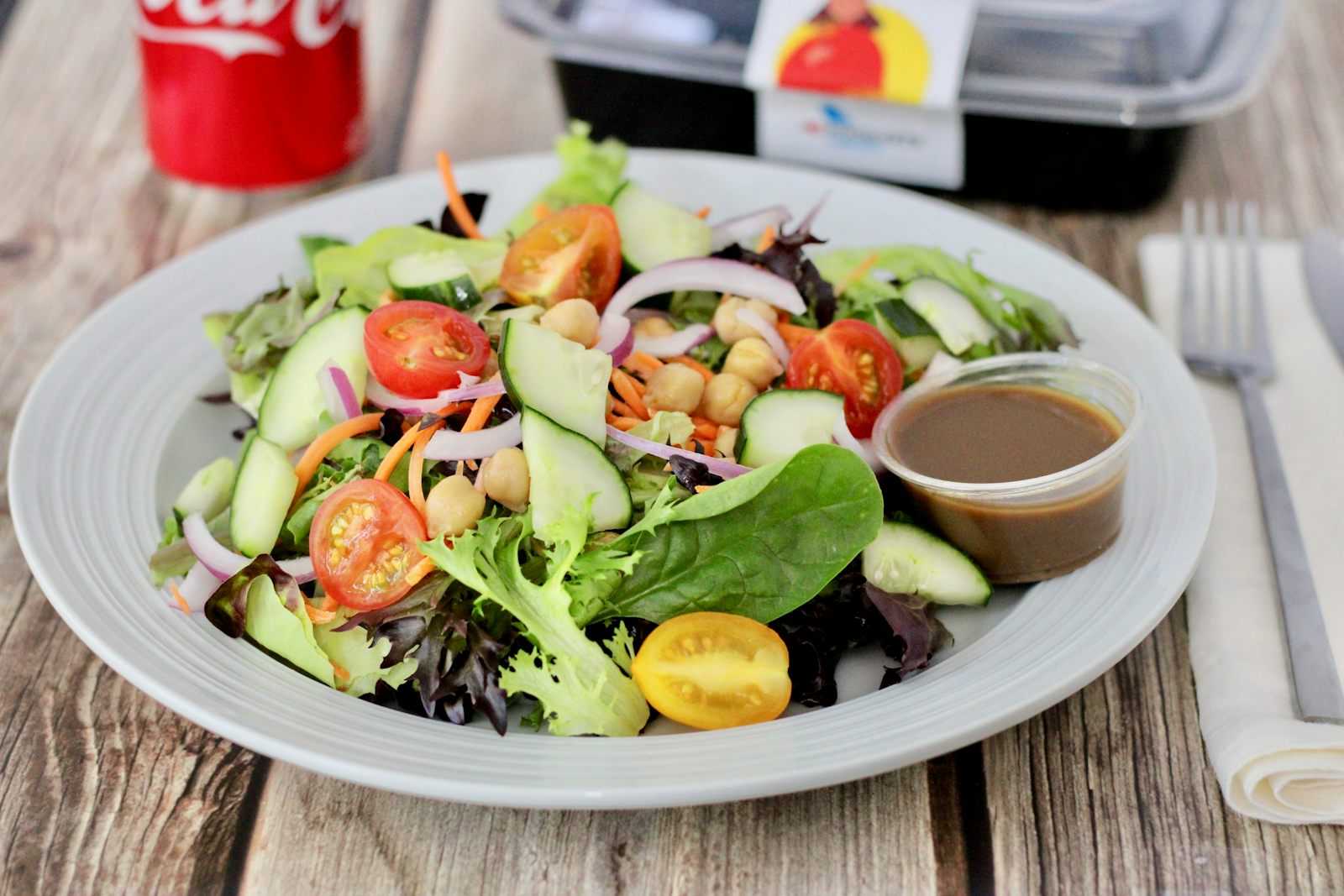
Aim for at least one substantial vegetarian and one vegan option that a guest would choose on purpose. A plate of the side dishes is not a vegan main.
On the day
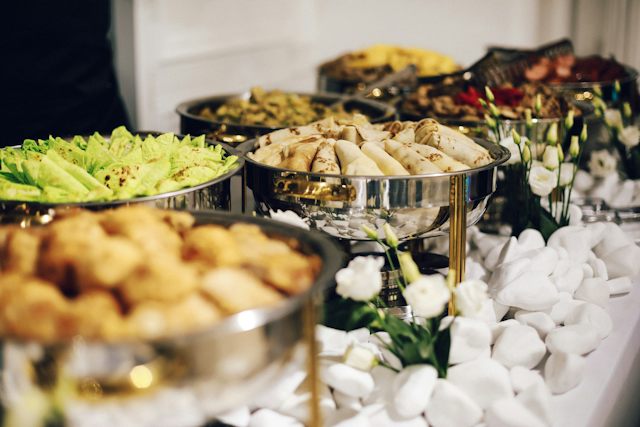
Label buffet items with their allergens. Brief every server, not only the captain, on which dishes contain what. Plated special meals should be delivered by someone who knows who ordered them.
Allergen labelling is regulated in many countries, and the rules for pre-packed and loose food differ. Check local requirements; nothing on this page replaces them.
Guide revised 18 September 2026. Figures here are planning rules of thumb, not guarantees. Send a correction.